
Solenoid Valve Failure Indicators in Automated Equipment Systems

Business

Automated equipment relies on accurate flow regulation, consistent pressure, and dependable component performance to maintain productive operations. Solenoid valves play an important role in controlling liquids, gases, and compressed air within these systems. Recognizing early failure indicators helps maintenance teams identify performance changes, improve equipment reliability, and maintain smooth production activities.

1. Delayed Valve Response

A properly functioning solenoid valve responds quickly to electrical signals. When its response becomes slower than usual, it may indicate an operational issue that requires attention.

Common indicators include:

  • Delayed opening or closing during automated cycles.
  • Irregular switching between operating positions.
  • Slower machine movements during production.
  • Inconsistent response to electrical commands.
  • Unexpected delays in fluid distribution.

Checking electrical connections, coil condition, and internal moving components can help identify the source of these changes.

2. Unusual Changes in Fluid Flow

Consistent fluid movement is essential for maintaining automated equipment performance. Changes in flow patterns can provide useful information about valve condition.

Important signs to observe include:

  • Reduced fluid or air delivery.
  • Unexpected variations in flow volume.
  • Inconsistent pressure throughout connected equipment.
  • Interrupted flow during regular operating cycles.
  • Difficulty maintaining required output levels.

These indicators encourage timely inspection and help maintenance teams maintain accurate flow management.

3. Electrical Performance Irregularities

Solenoid valves depend on electrical energy to activate their internal mechanisms. Monitoring electrical performance can help identify potential problems before they affect larger production operations.

Some noticeable indicators include:

  • Unusual heating around the valve coil.
  • Inconsistent electrical activation.
  • Loose or damaged electrical connections.
  • Failure to respond to control signals.
  • Irregular operating sounds during activation.

Inspecting wiring, checking voltage levels, and evaluating coil condition can support dependable electrical operation.

4. Leakage and Pressure Variations

Effective sealing and stable pressure are important for maintaining reliable automated processes. Changes in these areas may indicate that valve components require inspection.

Maintenance teams should monitor:

  • Visible leakage around valve connections.
  • Internal leakage affecting flow control.
  • Unexpected pressure fluctuations.
  • Reduced pressure stability during operation.
  • Difficulty maintaining consistent system performance.

Understanding https://www.vincervalve.com/solenoid-valve-failure-symptoms/ can provide additional insight into recognizing common warning signs and evaluating valve performance.

5. Unusual Sounds and Mechanical Changes

Changes in operating sounds can offer valuable clues about internal valve conditions. Regular observation makes it easier to recognize differences during automated cycles.

Watch for:

  • Repeated clicking sounds without normal activation.
  • Excessive vibration during operation.
  • Unusual humming from electrical components.
  • Irregular movement of connected mechanisms.
  • Changes in normal switching sounds.

6. Preventive Maintenance for Better Performance

A structured maintenance routine helps automated equipment operate consistently while supporting long-term component reliability.

Useful maintenance practices include:

  • Inspecting valves and electrical connections regularly.
  • Cleaning components according to operating requirements.
  • Checking pressure and flow measurements.
  • Verifying electrical compatibility.
  • Replacing worn seals and unsuitable components.
  • Maintaining accurate inspection records.

Conclusion

Recognizing solenoid valve failure indicators helps maintenance teams protect automated equipment and improve production consistency. By monitoring response times, electrical performance, fluid movement, pressure, and mechanical behavior, businesses can identify developing issues early and support reliable operations through timely maintenance.
Ac Surge Protector Installation Guides Promote Efficient Electrical Work

Business

Reliable electrical systems depend on proper installation practices and effective protective devices. Air conditioning units contain sensitive electrical components that benefit from suitable protection against sudden voltage spikes and transient disturbances. Installing an appropriate surge protection device helps support equipment reliability, maintain consistent operation, and improve electrical safety. Understanding AC surge protector installation also allows electrical professionals to plan suitable connections, follow recommended procedures, and achieve dependable protection for air conditioning systems.

Understanding AC Surge Protection

AC surge protectors are designed to help protect electrical equipment from sudden increases in voltage. They manage transient electrical energy by providing a suitable path for excessive surge current, helping safeguard connected components. Proper selection and installation contribute to a reliable electrical protection arrangement.

Important advantages include:

  • Helps protect sensitive air conditioning components.
  • Supports reliable electrical system performance.
  • Reduces the impact of sudden voltage spikes.
  • Encourages longer equipment service life.
  • Strengthens overall electrical protection.

Preparing for Proper Installation

Careful preparation creates a strong foundation for efficient electrical installation. Understanding the equipment specifications, electrical supply requirements, and protective device ratings helps ensure that the selected surge protector is suitable for the intended application.

Essential preparation considerations include:

  • Checking the electrical system voltage and configuration.
  • Selecting a compatible surge protection device.
  • Reviewing manufacturer installation instructions.
  • Identifying suitable mounting and connection locations.
  • Preparing appropriate electrical tools and safety equipment.

Understanding Wiring Connections

Correct wiring plays an important role in achieving effective surge protection. Electrical connections should follow the device specifications and applicable electrical standards. A suitable wiring arrangement helps the protective device respond effectively when transient voltage disturbances occur.

Important wiring considerations include:

  • Maintaining correct line, neutral, and earth connections.
  • Using suitable conductor sizes for the application.
  • Keeping connecting wires appropriately short.
  • Ensuring secure and properly tightened terminals.
  • Providing effective grounding arrangements.

Following Safe Installation Practices

Electrical safety remains essential throughout the installation process. Qualified electrical professionals should perform the work using appropriate protective equipment and approved procedures. Before handling connections, the power supply must be isolated and verified as de-energized.

Recommended practices include:

  • Disconnecting the electrical supply before installation.
  • Confirming the absence of voltage with suitable equipment.
  • Following the device manufacturer’s instructions.
  • Checking terminal connections for secure fitting.
  • Inspecting the completed installation before energizing.

Testing and Maintenance for Reliable Performance

After installation, appropriate inspection and testing help confirm that the protective arrangement is correctly connected. Regular maintenance also supports dependable operation and allows electrical professionals to identify servicing requirements.

Useful maintenance activities include:

  • Inspecting device indicators and operating status.
  • Checking connections for proper tightness.
  • Examining protective components for visible damage.
  • Reviewing grounding arrangements periodically.
  • Replacing devices according to manufacturer recommendations.

Improving Electrical Work Efficiency

A properly planned installation supports dependable air conditioning performance and effective electrical protection. Understanding an https://lsp.global/ac-surge-protector-wiring-diagram-and-installation/ helps professionals understand connection arrangements and installation requirements.

Combining suitable device selection, correct wiring, professional installation, and regular inspection creates a reliable protection strategy. These practices promote efficient electrical work, support equipment longevity, and encourage consistent air conditioning performance. Careful installation planning ultimately contributes to safer electrical systems and dependable long-term operation.

Find Helpful Insights For Understanding Modern Watch Features

Business

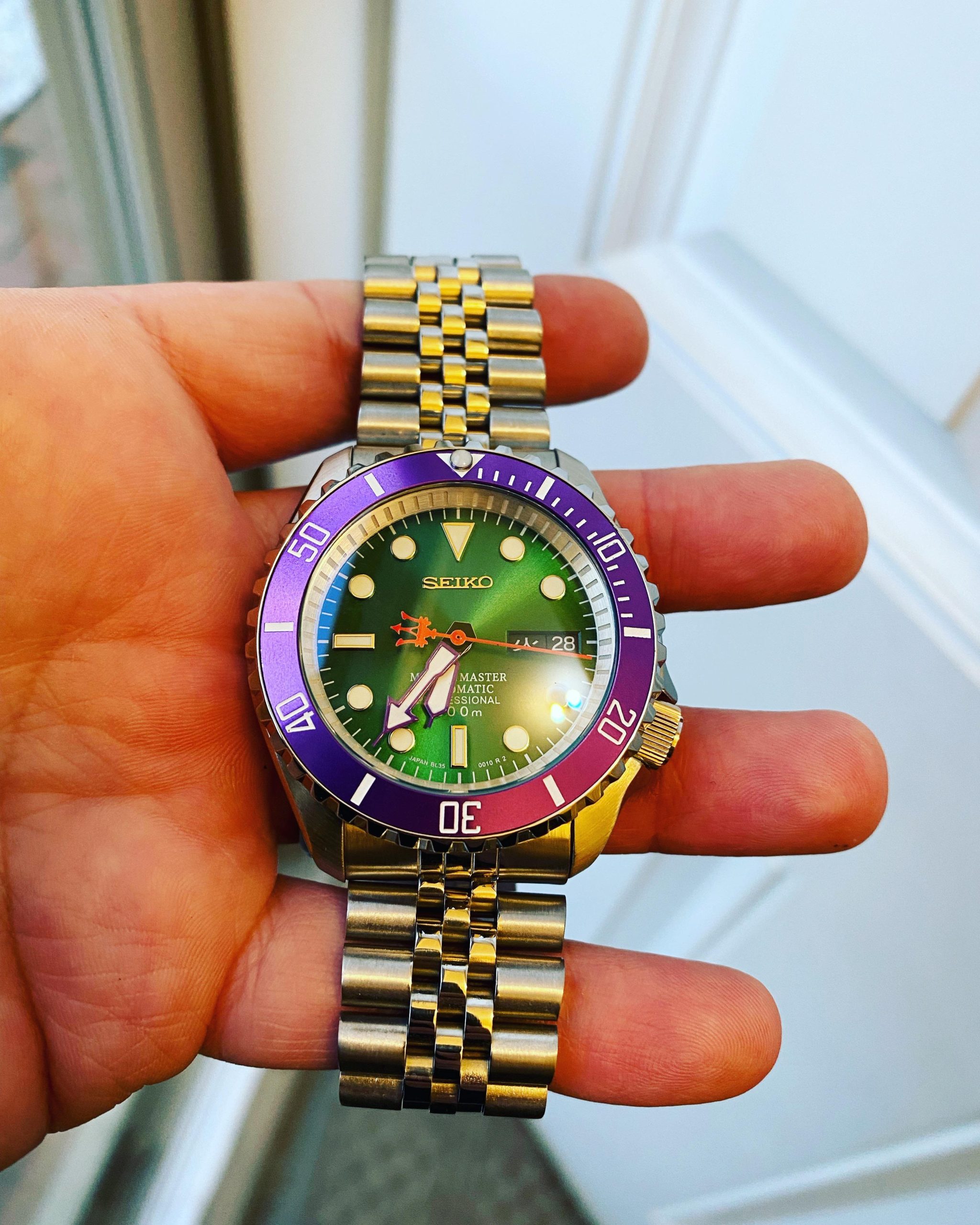
Modern watches combine timeless elegance with useful features that make everyday timekeeping more enjoyable. Their designs bring together attractive appearances, reliable performance, and thoughtful functions that support different lifestyles. Understanding these features helps people appreciate the value of a watch and discover options that match their daily routines. From innovative displays to comfortable materials, every detail contributes to a satisfying experience. Exploring essential watch features also makes it easier to recognize quality, convenience, and long-term usability.

Understanding Modern Watch Technology

Watch technology continues to introduce practical improvements that enhance accuracy, convenience, and overall performance. Different mechanisms offer unique advantages, allowing users to explore timepieces according to their interests and preferences.

Some important technological features include:

  • Accurate Timekeeping: Reliable mechanisms help maintain consistent time measurements and provide dependable everyday performance.
  • Automatic Movement: Mechanical systems use natural wrist movement to support continuous operation without regular battery replacement.
  • Quartz Movement: Battery-powered mechanisms offer convenient operation and dependable accuracy for everyday activities.
  • Digital Displays: Clear numerical displays make checking the time simple while providing additional useful information.
  • Advanced Power Options: Modern energy-efficient designs help extend operating duration and improve everyday convenience.

Exploring Useful Everyday Features

 Diverse Watch

Modern watches offer several functions that make ordinary activities more organized and comfortable. These thoughtful additions provide practical value while maintaining attractive designs suitable for different occasions.

Understanding their purpose allows buyers to identify features that genuinely improve their daily experience.

  • Water Resistance: Provides additional protection against water exposure during suitable everyday activities.
  • Date Display: Makes checking the current date convenient without requiring another device.
  • Illuminated Dials: Improve readability in dim environments through clearly visible display elements.
  • Chronograph Functions: Support precise time measurements through dedicated stopwatch capabilities.
  • Dual Time Displays: Help users follow two different time zones with greater convenience.

Appreciating Materials And Design Quality

Material selection plays an important role in determining a watch’s appearance, comfort, and durability. Modern collections include various combinations of metals, glass, straps, and finishes that create distinctive visual experiences.

Recognizing these details helps people understand how design choices influence everyday satisfaction.

  • Stainless Steel Cases: Offer a polished appearance with dependable everyday durability.
  • Sapphire Crystal: Provides excellent scratch resistance and maintains attractive dial visibility.
  • Leather Straps: Create a classic appearance with comfortable wrist support.
  • Ceramic Finishes: Introduce smooth surfaces and contemporary styling.
  • Adjustable Bracelets: Support a comfortable fit through flexible sizing options.

Learning Through Detailed Watch Information

Reliable product information makes understanding modern watch features easier and more enjoyable. Resources such as rwi can help readers explore useful details, compare specifications, and develop greater awareness of different timepiece characteristics.

Clear descriptions also make individual features easier to understand before making a purchase decision.

Helpful information to explore includes:

  • Movement types and their operating principles.
  • Case dimensions, weight, and available materials.
  • Display styles, dial arrangements, and readability.
  • Battery requirements and maintenance considerations.
  • Available functions and their practical applications.

Making Confident Watch Choices

Selecting a suitable watch becomes more rewarding when functionality, appearance, and comfort receive equal attention. A thoughtful comparison of essential specifications helps buyers recognize options that complement their preferences.

Consider these positive selection factors:

  • Choose a comfortable size that complements your wrist.
  • Explore designs suitable for everyday and occasional wear.
  • Review movement details to understand operating requirements.
  • Consider useful functions that support your routine.
  • Appreciate finishing quality and overall construction.

Conclusion

Modern watch features bring together innovation, craftsmanship, and everyday convenience. Understanding movement technology, useful functions, materials, and design details creates a stronger appreciation of different timepieces. With clear product information and thoughtful comparisons, readers can explore available choices confidently and discover watches that deliver lasting satisfaction, attractive styling, and dependable timekeeping.