
Volunteers give their time, energy, and skills to support meaningful causes. Protecting them is not only a responsibility but also a way to build trust, confidence, and long-term engagement. A strong volunteer protection plan ensures that every volunteer feels safe, respected, and supported while contributing their efforts. When volunteers know their well-being is valued, they are more motivated, productive, and committed.
Establish Clear Safety Policies
Creating clear and easy-to-understand safety policies is the foundation of any protection plan. Volunteers should always know what is expected and how they can stay safe during their activities.
Key elements to include:
- Written safety guidelines for all volunteer tasks
- Clear instructions for handling equipment or materials
- Defined roles and responsibilities for volunteers
- Guidelines for respectful and professional behavior
- Procedures for reporting concerns or safety issues
- Regular updates to policies to match evolving needs
Well-documented policies create a structured and supportive environment where volunteers can perform confidently.
Provide Comprehensive Training
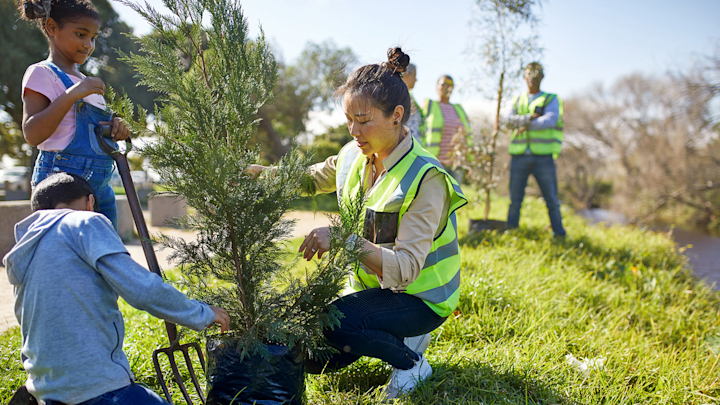
Training plays a vital role in preparing volunteers for their responsibilities. A well-informed volunteer is more confident and capable of handling challenges.
Effective training should cover:
- Task-specific instructions and expectations
- Safety procedures and risk awareness
- Communication and teamwork practices
- Emergency response guidance
- Ethical conduct and accountability
- Conflict resolution techniques
Ongoing learning opportunities help volunteers strengthen their skills while reinforcing a culture of safety and preparedness. Travel programs often recommend mission trip insurance to support volunteers working abroad on humanitarian or faith-based projects.
Create a Supportive Volunteer Environment
A positive and encouraging atmosphere is essential for volunteer well-being. When volunteers feel supported, they are more likely to thrive and contribute enthusiastically.
Ways to create a supportive environment include:
- Encouraging open communication and feedback
- Recognizing volunteer contributions regularly
- Providing access to supervisors or mentors
- Promoting teamwork and collaboration
- Ensuring volunteers feel comfortable asking questions
- Celebrating achievements and milestones
A respectful and welcoming environment strengthens volunteer relationships and builds lasting commitment.
Implement Risk Assessment and Prevention
Proactively identifying potential risks helps prevent issues before they arise. Regular assessments help ensure that volunteer activities remain safe and well-managed.
Important risk prevention steps include:
- Evaluating activities before volunteers begin work
- Identifying possible hazards and minimizing them
- Ensuring safe use of tools and equipment
- Monitoring activities through responsible supervision
- Maintaining clear emergency procedures
- Reviewing safety practices periodically
A proactive approach encourages confidence and ensures volunteers feel protected while serving.
Maintain Clear Communication Channels
Communication is a key pillar of a strong protection plan. Volunteers should always know where to turn if they need guidance or support.
Strong communication practices include:
- Sharing updates and safety reminders regularly
- Providing clear points of contact for assistance
- Encouraging volunteers to report concerns without hesitation
- Offering constructive feedback and guidance
- Conducting regular check-ins with volunteer teams
Transparent communication fosters trust and helps create a positive and organized volunteer experience.
Continuously Improve the Protection Plan
A successful volunteer protection plan evolves over time. Regular reviews help ensure that the plan remains effective and relevant.
Continuous improvement strategies include:
- Collecting volunteer feedback after activities
- Reviewing safety procedures periodically
- Identifying opportunities for improvement
- Updating training materials and guidelines
- Encouraging collaborative discussions about safety
By prioritizing volunteer protection, leaders create an environment where volunteers feel valued, safe, and inspired to continue making a positive impact.